 01
01
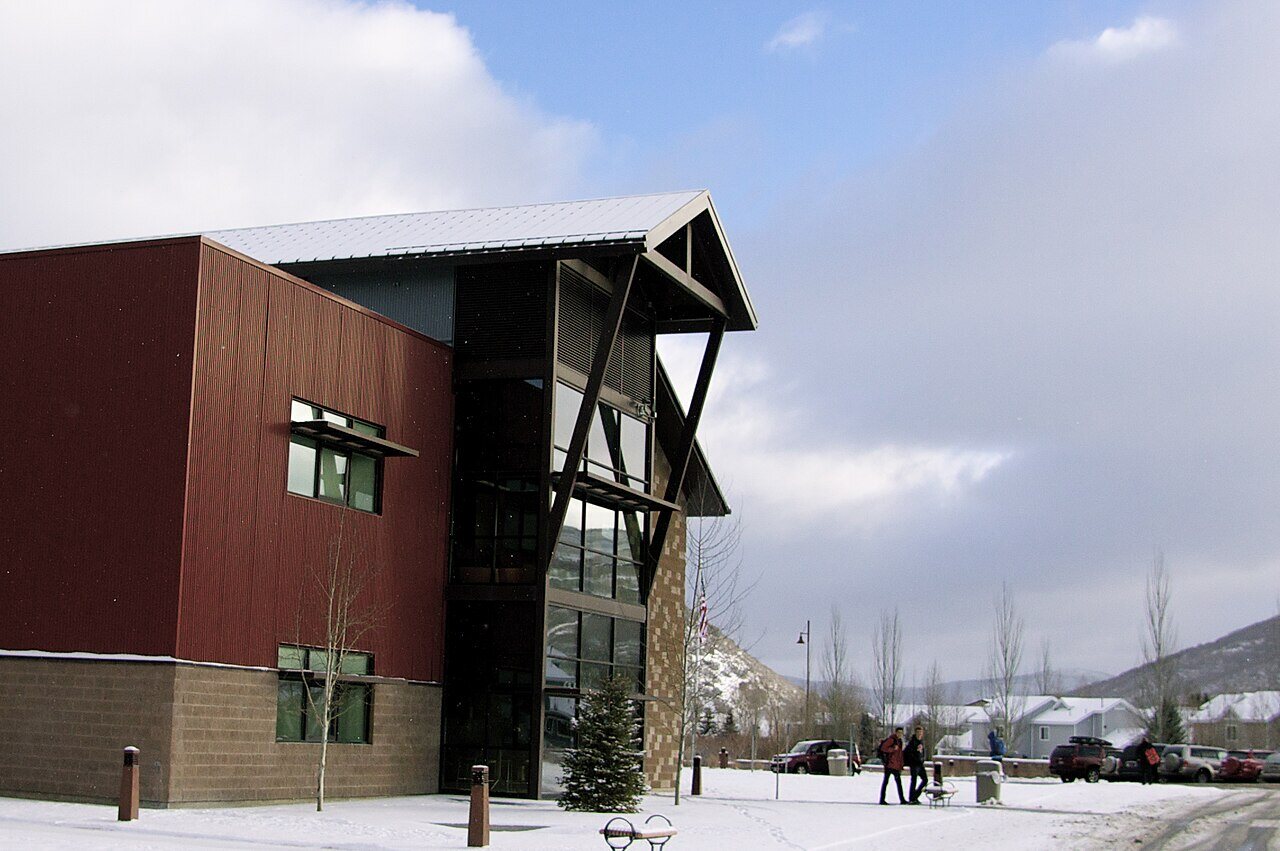
K-12 schools and education facilities
New school construction, renovations, additions, and campus mechanical upgrades for districts and project teams.
Commercial hydronic flushing
HydroFlush helps commercial facilities flush, clean, and prepare hydronic systems across Houston, San Antonio, and Austin with field-ready crews and a practical, documented process.
01 Commissioning support
02 Debris and air removal
03 Remediation flushing
04 Clear field documentation
Mission statement
HydroFlush provides dependable hydronic pipe flushing services for commercial, K-12, higher education, and industrial construction projects, helping project teams deliver cleaner systems, smoother commissioning, and better turnover documentation. We are committed to safe coordination, practical field execution, and clear communication from pre-flush planning through project closeout.
Projects and buildings
HydroFlush is focused on commercial buildings where clean hydronic flow, schedule coordination, and dependable turnover matter.
01
New school construction, renovations, additions, and campus mechanical upgrades for districts and project teams.
 02
02
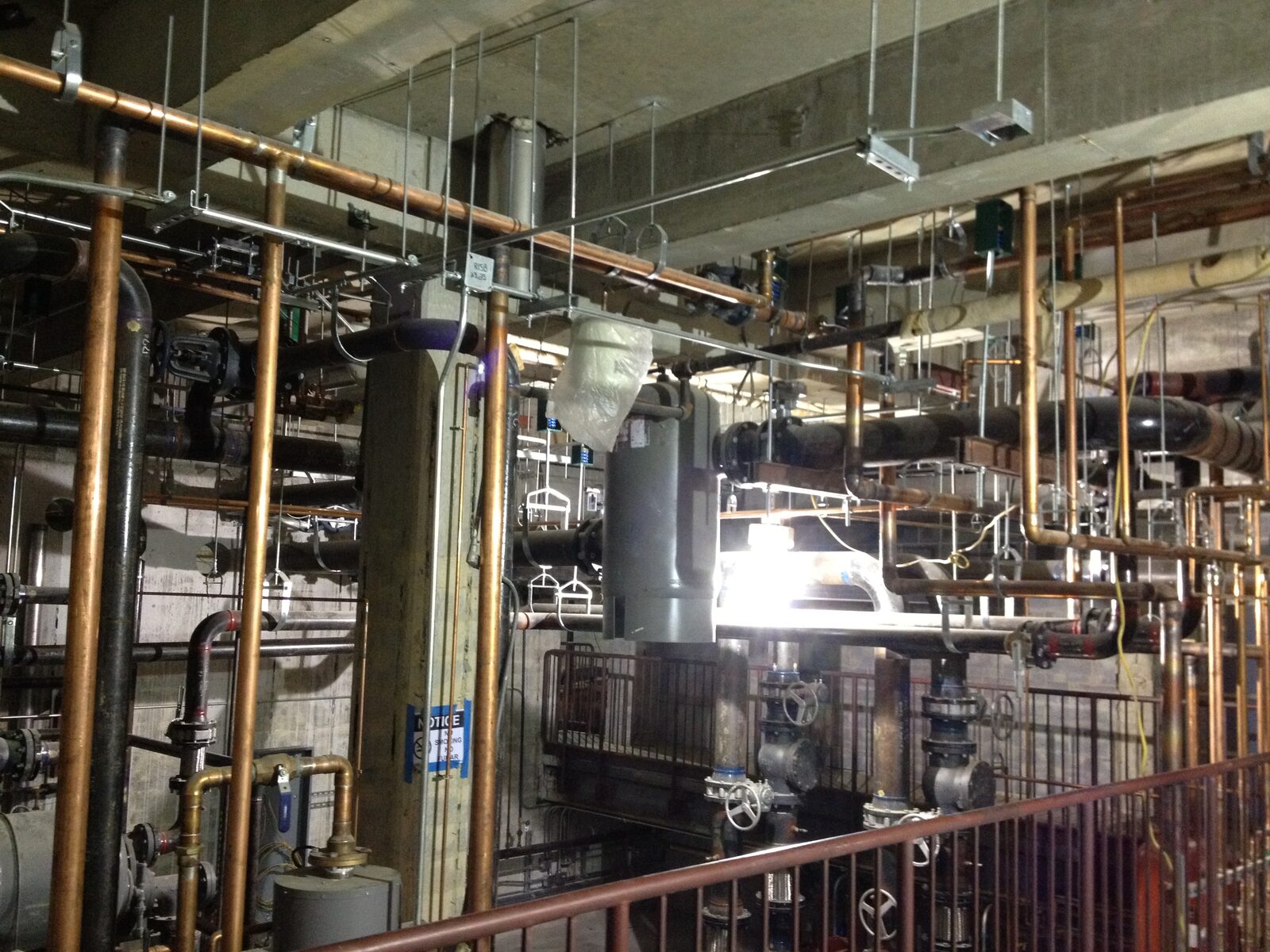
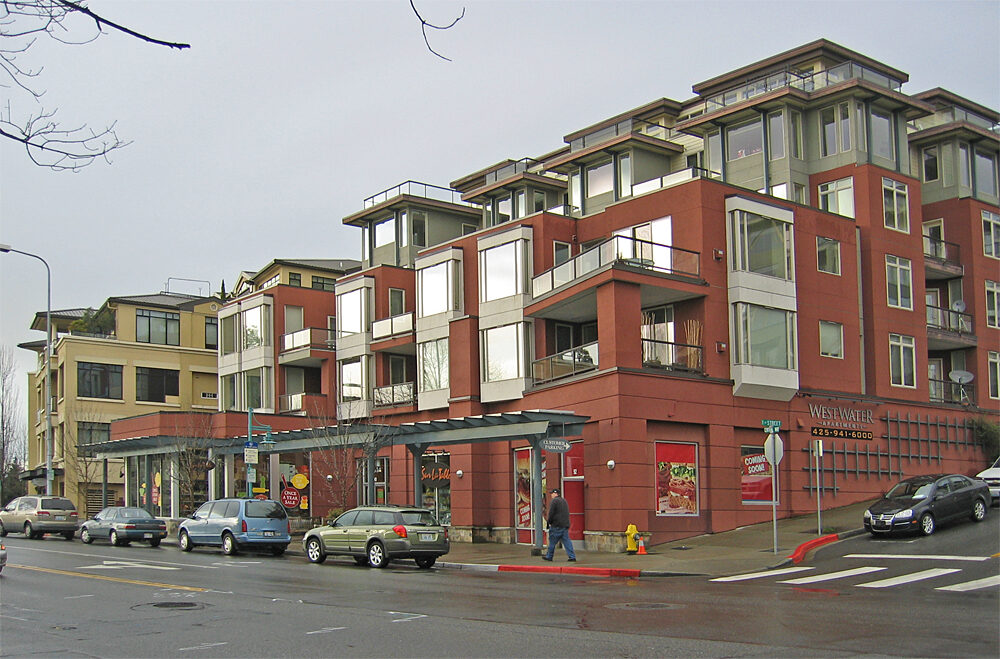
New construction, tenant improvements, equipment replacements, and building refresh projects.
 03
03
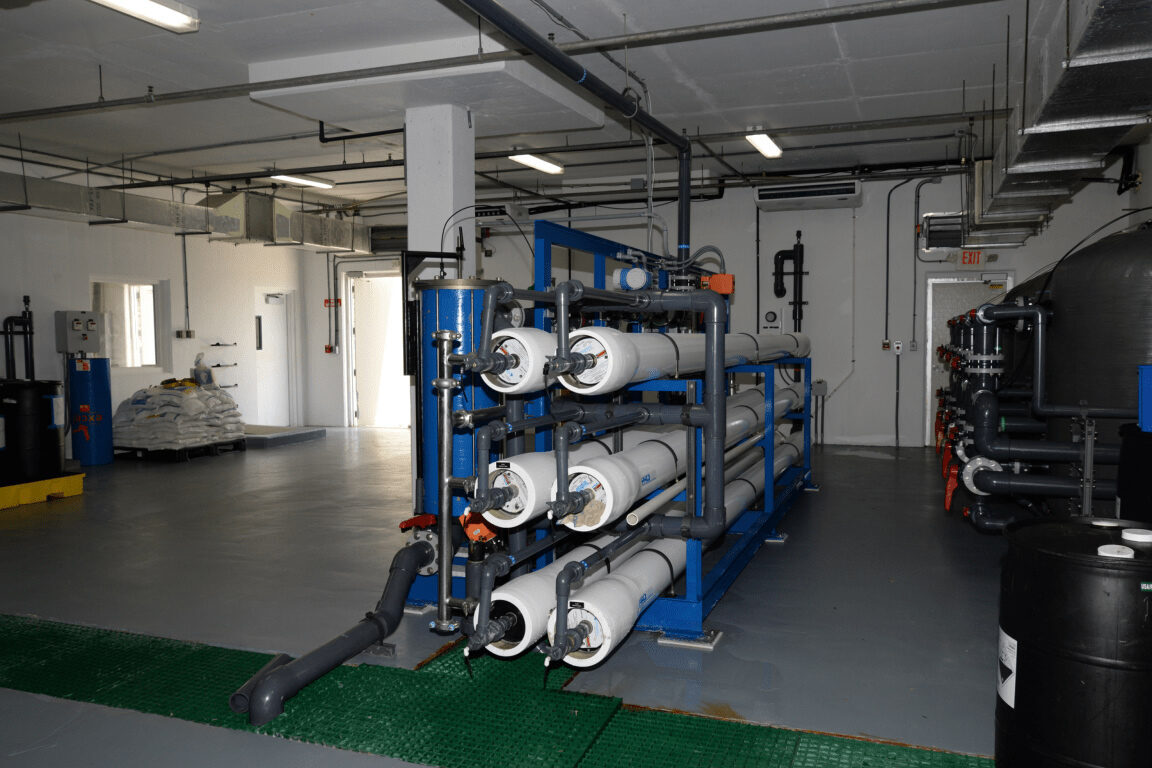
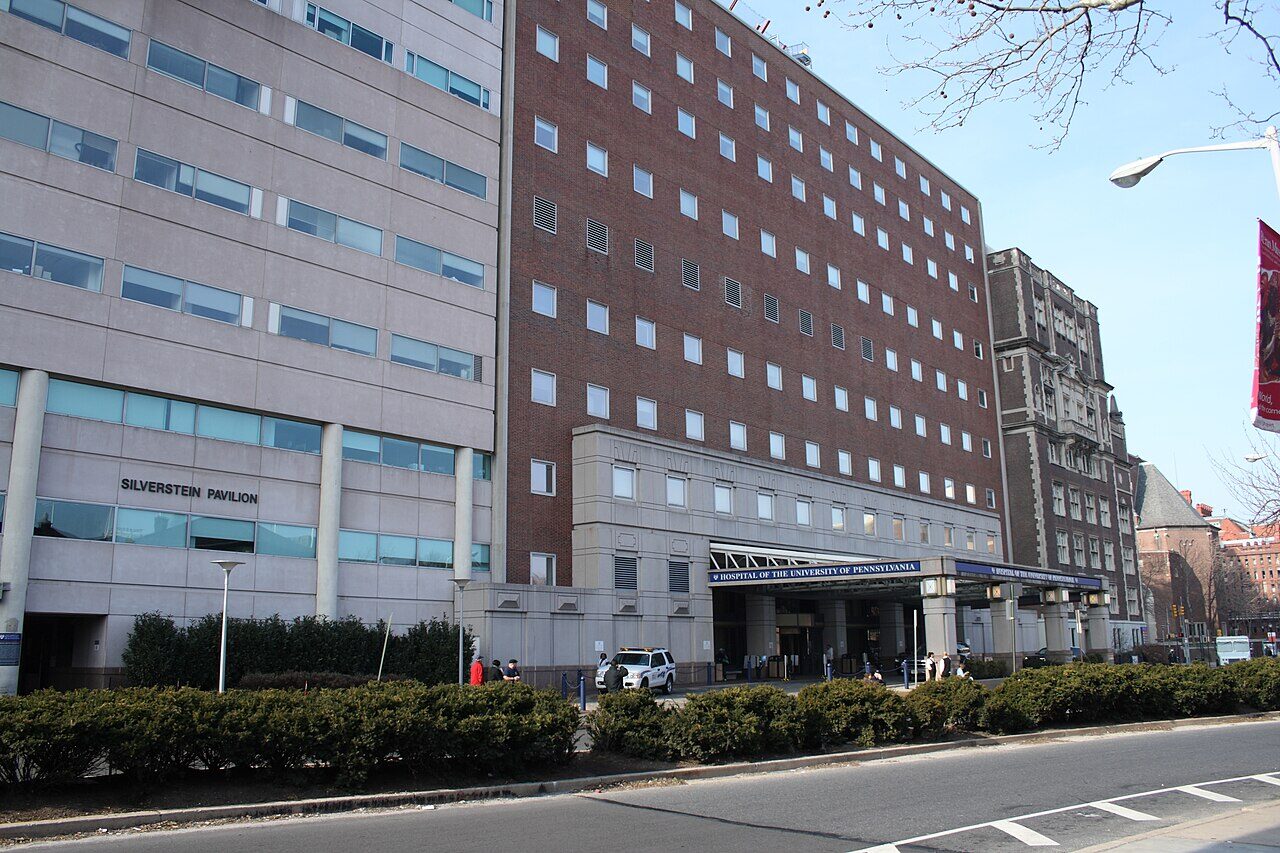
Projects where coordination, cleanliness, and careful system preparation are especially important.
 04
04
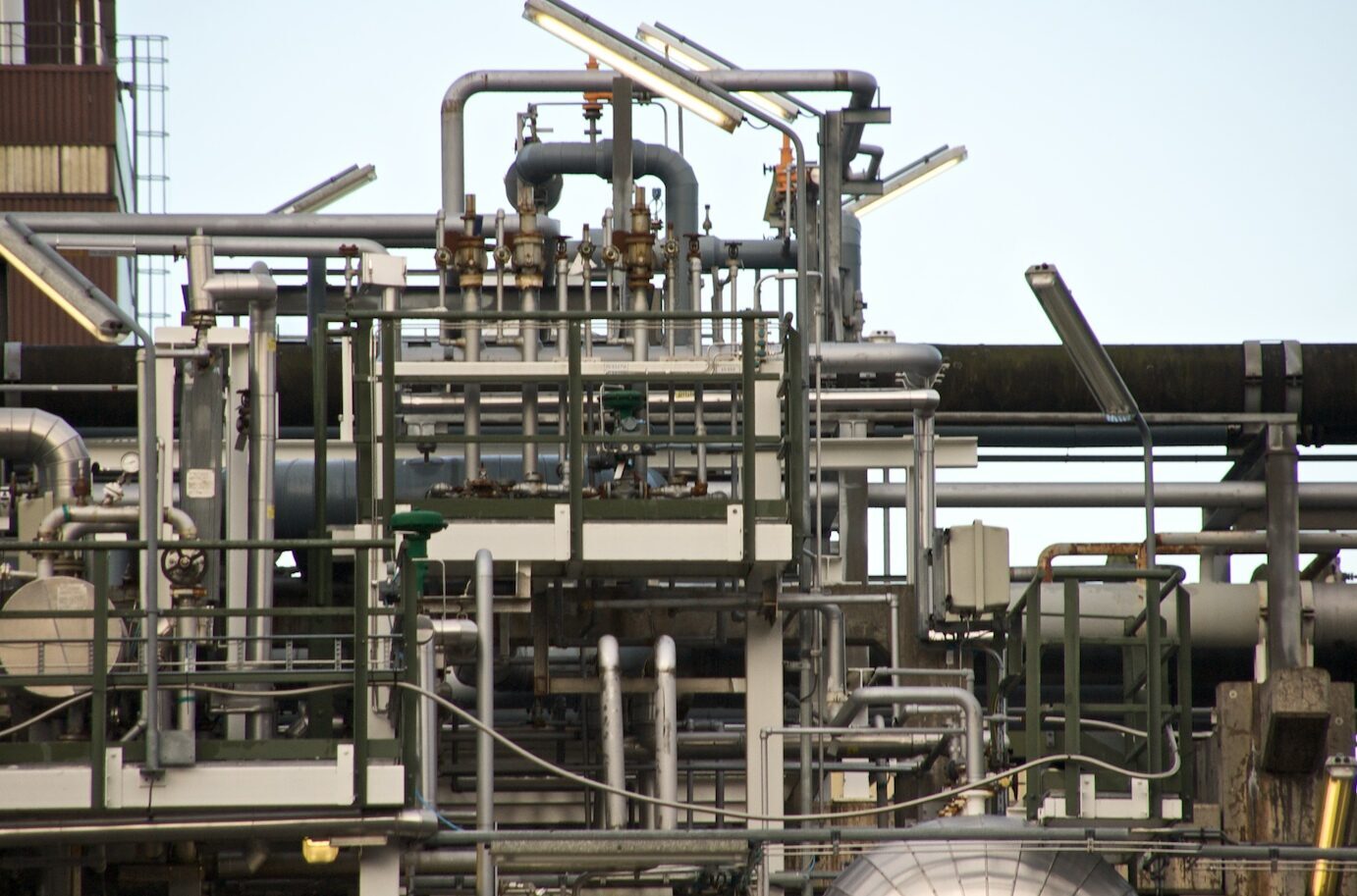
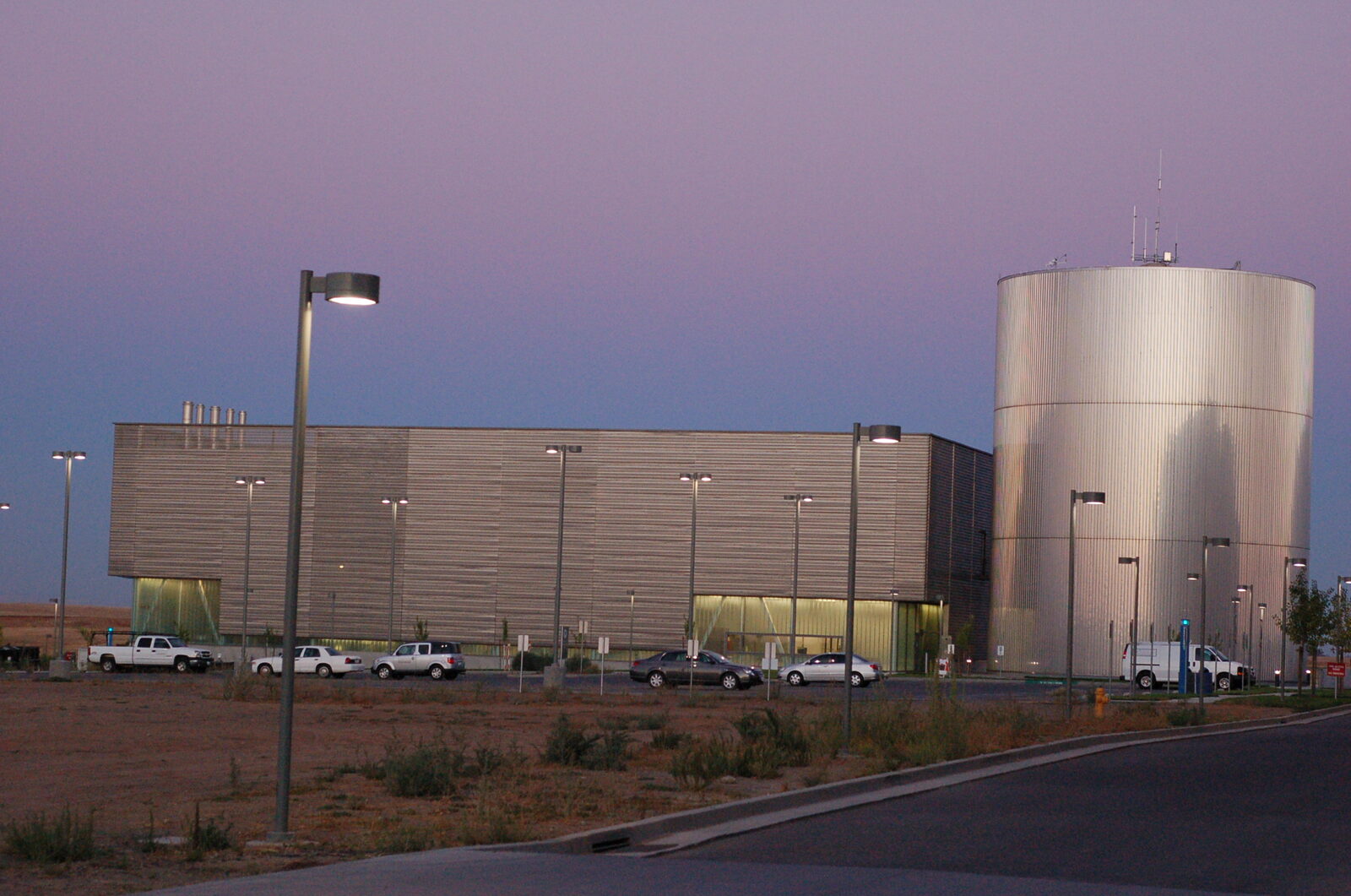
Multi-building hydronic systems, phased work, and larger mechanical infrastructure projects.
 05
05
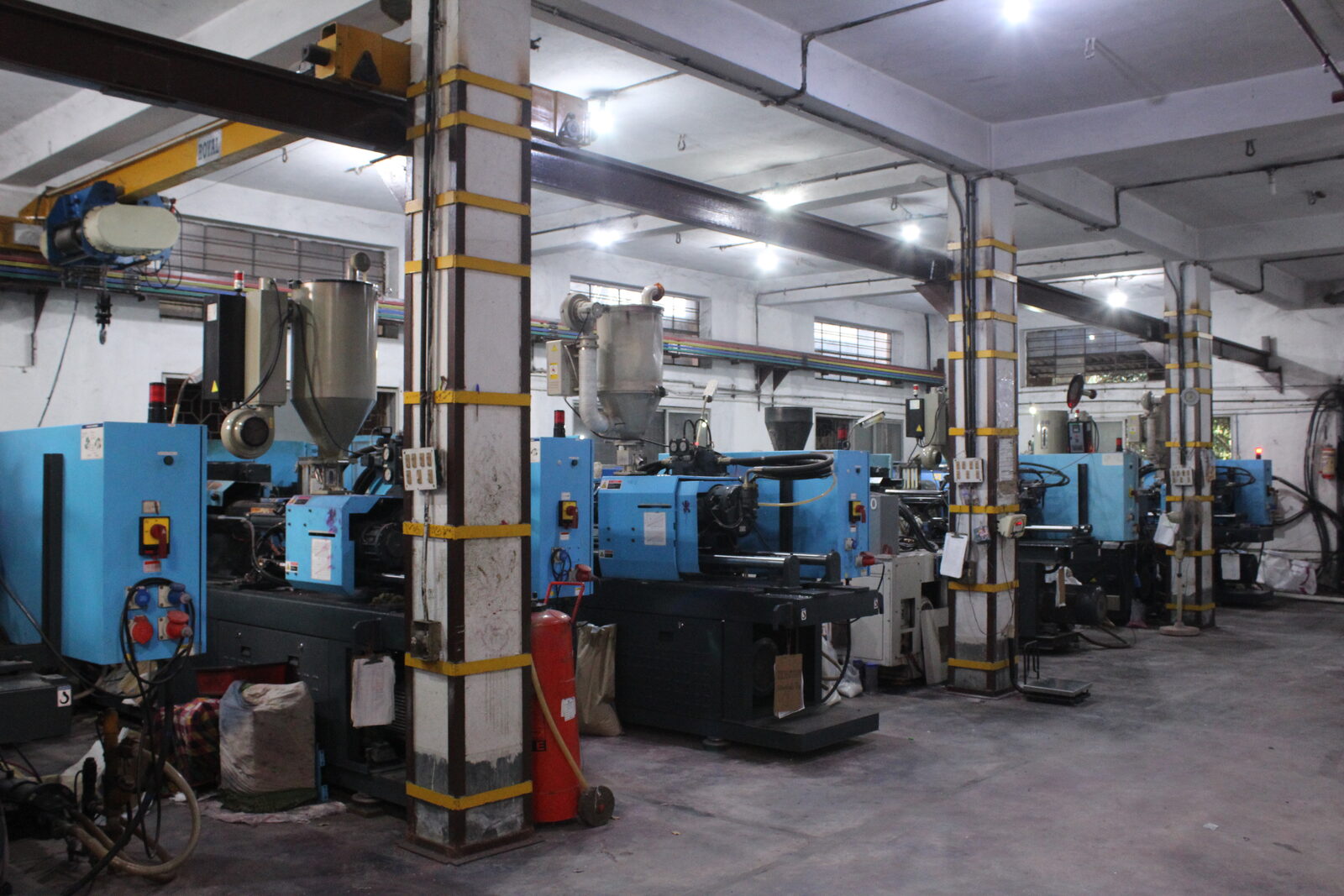
Practical flushing support for facilities with demanding operating conditions and schedule needs.
What we do
HydroFlush supports project teams with planned flushing, practical system cleaning, independent testing, and documentation that owners can keep with their closeout records.
01
Review project drawings, specifications, and system requirements to develop a professional flush plan tailored to each building, project phase, and owner expectation.
02
Support existing buildings with targeted flushing plans that help restore flow and protect critical mechanical equipment.
03
Respond to performance issues, fouling concerns, or suspected contamination with a practical plan for cleaning and follow-up.
04
Give project teams clear records of what was flushed, how the work was staged, and what was observed in the field.
05
Collect flushing water samples, send them to an independent third-party lab for testing, and provide the results to the owner to help verify the system water is clean.
What sets us apart
HydroFlush is being built around a straightforward promise: help commercial teams get hydronic systems cleaner, better documented, and closer to turnover without adding confusion to the jobsite.
Messaging and process built around mechanical contractors, owners, facility teams, and commissioning schedules.
Scope, access needs, jobsite coordination, and closeout expectations are discussed before work starts.
The site positions HydroFlush around clear field records and project-ready summaries, with final document examples to be added later.
Safety and coordination
Hydronic flushing work touches mechanical rooms, temporary hoses, pumps, drains, access paths, water management, and active project schedules. HydroFlush should present safety as part of planning, not an afterthought.
Review access points, work areas, schedule windows, and site expectations before mobilizing.
Keep hoses, equipment, and water-handling routes organized so other trades can work around the plan.
Coordinate hose routes, drain points, temporary equipment, and work zones around the project schedule before flushing begins.
Field process
Commercial buildings move fast. HydroFlush starts with an engineered flush plan developed from the project plans, specifications, system layout, and site needs so owners, mechanical contractors, and facility teams know how the work will be approached before mobilization.
Review the project plans, specifications, system layout, access points, schedule constraints, and flushing goals to build a project-specific flush plan.
Coordinate equipment, isolation points, water management, and work areas before mobilization.
Run the flushing sequence, monitor field conditions, and adjust the approach when the system calls for it.
Provide a clean closeout summary for project records, owners, and operations teams.
Who we serve
The site should speak directly to the teams that typically care about flushing results, schedule impact, and clean closeout documentation.
Support for new construction, renovations, turnover schedules, and coordination with other trades.
Clear communication around system condition, access needs, and operational concerns.
Practical flushing support before startup, balancing, verification, and owner turnover.
Questions to answer
Many projects consider flushing before commissioning, after construction debris concerns, during remediation, or when system performance suggests flow or cleanliness issues.
We do not recommend using the permanent building pumps for flushing. HydroFlush reviews the project requirements and develops a flushing approach using appropriate temporary equipment to help protect the building system and support effective cleaning.
Useful details include building location, system type, project phase, estimated pipe sizes, access points, schedule window, and whether the work is new construction or remediation.
This should be finalized once HydroFlush defines its closeout package. A strong answer may include scope notes, flush observations, dates, affected loops, and project-specific completion summaries.
Service area
HydroFlush is launching with a practical regional focus across Central and Southeast Texas. If your commercial building or project sits near one of these metros, reach out and we can talk through the scope.
Discuss your project scopeStart a conversation
Tell us what kind of building you are working on, where it is located, and whether the system is new, underperforming, or ready for turnover.